Thursday, February 23, 2012

Wednesday, February 15, 2012


Tuesday, February 14, 2012
Follow The Star Day 1
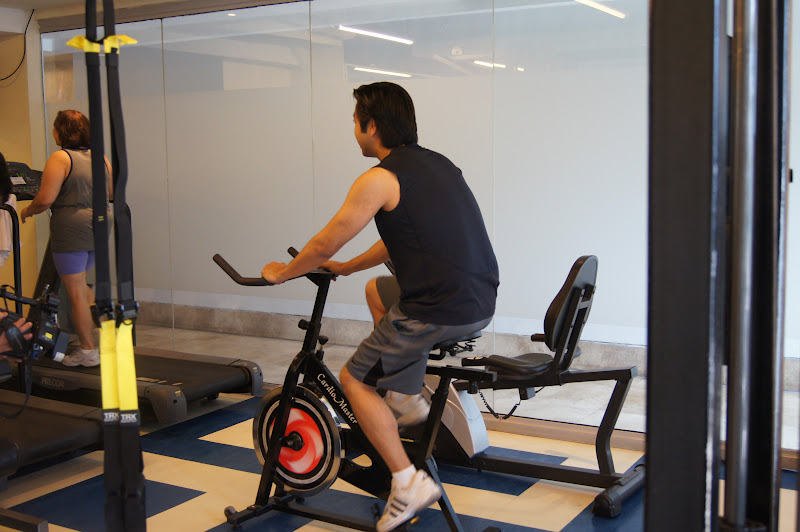
Last February 7, 2012, we had our first taping for the segment in GMA News TV, "Follow the Star". We did it in the Astoria Gym.
Here are the pictures in the shoot:


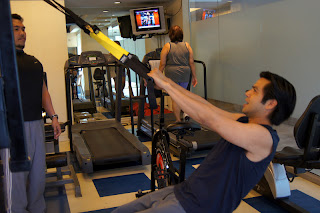


Here are the pictures in the shoot:




Monday, February 13, 2012
Exercises Good for the Heart

Today is Valentine's Day and to give a special treat to everyone, I researched about some tips to have a healthy heart and I found this article so I am reposting it.
Activities as Exercise Can Help Your Heart
According to Jennifer Mieres, M.D., American Heart Association (AHA), "to get heart-healthy benefits, you need to get your heart rate up" there are dozens of activities you can do to help your heart. Whether it is a structured exercise program or just part of your daily routine, all physical activity adds up. It’s easy to follow these exercise tips at home, at work, and at play to increase the amount of physical activity in your life.
Tips to help you start a heart healthy exercise plan.
- Aerobic exercises done 30 minutes a day is excellent for increasing your heart rate. Climbing the stairs, a brisk walk, orbital exercise machine or treadmill, anything to get your heart rate up. Wii has several fun games such as Wii Sports or Wii Fit Step Aerobics – and its great exercise you can do with your kids. Make it a family affair.
- Any moderate-intensity exercise like swimming, jogging, Pilates and yoga is good. Exercising your heart muscle means exercising your body. You don’t need a gym, just a bit of motivation and a good pair of walking shoes.
- If you “don’t have time” then fit shorter but more frequent periods of time, like 5-10 minutes several times a day throughout your day. Take the stairs, park your car further away from the door, and definitely count in those house chores such as mowing the lawn, vacuuming, or a short brisk walk around the block at lunch or for a break.
- If you already do a vigorous aerobic routine or enrolled in an exercise class, then three days a week for 20 minutes a day is good.
- For adults that are 65 and older or anyone with chronic conditions or limited mobility, you need the same amount of exercise as younger people – the activity can be less intense. Use good judgment and follow your doctor’s advice. See tip #1 and plan to gradually increase activities.
- Strength training is a great complement to aerobic training and helps to prevent age-related bone and muscle-mass losses. Keep in mind that strength training doesn't’t increase heart rate but does increase stamina. Use it to target areas where muscle-tone is needed and don’t forget the other muscle groups.
- With any plan, start strength training slowly and build up to heavier weights and repetitions especially if you are new or out of shape. The old adage "no pain, no gain" is more often inappropriate and can be dangerous.
- Practice balance exercises to help prevent falls and injuries. Balance techniques are used frequently as exercises in yoga or more simple forms of balancing exercises such as walking heal-to-toe, standing on one foot, or standing up and sitting down without using your hands.
- Stretching exercises done twice a week helps keep flexibility, which is very important. Consider 10 minutes of stretching twice a week to improve your flexibility
With any exercise program, it’s good to start slowly by warming up, then increasing the pace. A good cooling down afterwards is also equally important. With any new exercise plan, check with your doctor if you are at risk and follow the advice of qualified professionals.
Sunday, February 12, 2012
Beach Body Week 5
Do circuit A non-stop 2-3X for 10 repetitions each exercise. Rest for 1 minute then proceed to the next circuit. Do the next exercises 2-3x for 10 repetitions each.
Before doing any exercise program, consult your doctor first. Good luck!
A. Circuit 1:
1. Pushup
2. Jump Lunges
3. Straight Arm Plank (Hold for 1 minute)
B. Circuit 2:
1. Squat Chair Swing
2. Plank Dumbbell Row
3. Side plank hip raise
Thursday, February 9, 2012
"He Lost 17 Pounds"
My new client who started last January has already lost 17 pounds. Amazing right? So how did he do it? Simple. He just followed my workout and diet program and came to the gym 6X a week. Motivated and committed right?
When somebody really needs to lose something or gain something and the desire is bad, the result will be outstanding if one allots time and effort on it. Some people would always say that it is impossible but the reality is nothing is impossible, just stay focused.
With health and fitness, it is the same. Put your heart and mind into your goals and you will definitely achieve them! The secret is full dedication and a burning desire to get the results. No excuses. Just run towards the finish line even though it is tough and rough. Just grab the baton even though people don't cheer you on.
When somebody really needs to lose something or gain something and the desire is bad, the result will be outstanding if one allots time and effort on it. Some people would always say that it is impossible but the reality is nothing is impossible, just stay focused.
With health and fitness, it is the same. Put your heart and mind into your goals and you will definitely achieve them! The secret is full dedication and a burning desire to get the results. No excuses. Just run towards the finish line even though it is tough and rough. Just grab the baton even though people don't cheer you on.
Saturday, February 4, 2012
Beach Body Week 4
Do circuit A non-stop 2-3X for 10 repetitions each exercise. Rest for 1 minute then proceed to the next circuit. Do the next exercises 2-3x for 10 repetitions each.
Before doing any exercise program, consult your doctor first. Good luck!
A. Circuit 1:
1. Jump Squat:
2. One leg half (or full) Push up
3. Straight Plank ( hold position for one minute)
Circuit 2:
1. Ball Chops
2. Mountain Climbers - Burpees
3. Boat and Bow ( Hold each position for 1 minute)
Good luck!
Bosu Ball
Bought this gadget yesterday! So excited to train my clients starting tomorrow!

Check this out!
Thursday, February 2, 2012
Tuesday, January 31, 2012
Beach Body Workout: Week 3
Do circuit A non-stop 2-3X for 10 repetitions each exercise. Rest for 1 minute then proceed to the next circuit. Do the next exercises 2-3x for 10 repetitions each.
Before doing any exercise program, consult your doctor first. Good luck!
A. Circuit 1:
1. Pushup
2. Jump Squat
3. Partial Mountain Climbers
B. Circuit 2:
1. Step Up
2. Chair Dips
3. Plank (Hold for 1 minute)
1. Pushup
2. Jump Squat
3. Partial Mountain Climbers
B. Circuit 2:
1. Step Up
2. Chair Dips
3. Plank (Hold for 1 minute)
Monday, January 30, 2012
Jump Rope Exercises
Jump rope exercises have been used in fitness for a long time now. However, because of the availability of the rope and the exercises can be done practically anywhere, this "old school" of exercise is still being utilized up to now.
The physical benefits of the exercises are tremendous, ranging from a total cardio vascular workout to toning of arms, legs and the core. However, precautions should be undertaken as this high impact exercise program can aggravate painful conditions of the joints of the spine, hips, knees and ankles. It is not advisable too to be performed by extremely obese persons because the added pounding on the joints brought about by the extreme body weight can hurt the joints themselves. Special consideration also, for the elderly who have been diagnosed with bone demineralization problems.
Monday, January 23, 2012
Beach Body Workout: Week 2
Do circuit A non-stop 2-3X for 10 repetitions each exercise. Rest for 1 minute then proceed to the next circuit. Do the next exercises 2-3x for 10 repetitions each.
Before doing any exercise program, consult your doctor first. Good luck!
A. Circuit 1:
1. Push ups
2. Ball Hip Bridge
3. Lunge Press
B. Circuit 2:
1. Plank (Hold position for 1 minute)
2. Boat & Bow (hold position for 30 secs to minute each)
3. Stability Ball Plank(Hold position for 30 secs to 1 minute)
Monday, January 16, 2012
Sunday, January 15, 2012
Beach Body Workout of the Week
Do circuit A non-stop 2-3X for 10 repetitions each exercise. Rest for 1 minute then proceed to the next circuit. Do the next exercises 2-3x for 10 repetitions each.
Before doing any exercise program, consult your doctor first. Good luck!
A. Circuit 1:
1. Push ups
2. Squat and Press
3. Plank (Hold Position for 30 secs to 1 min)
B. Circuit 2:
1. Jump Squat
2. Mountain Climbers
3. Side Plank (Hold position for 30 secs to 1 min)
Before doing any exercise program, consult your doctor first. Good luck!
A. Circuit 1:
1. Push ups
2. Squat and Press
3. Plank (Hold Position for 30 secs to 1 min)
B. Circuit 2:
1. Jump Squat
2. Mountain Climbers
3. Side Plank (Hold position for 30 secs to 1 min)
Friday, January 13, 2012
Beach Body Program Week 1
Don't stick to one program. Variety is the key to a successful "beach body" program. Forget about the long jogs on the treadmill. You can have a high intensity program using light weights and just your body weight. Supplementing it with a good diet program, you can have the 'beach body' that you are longing for, perfect for this summer:
Here is a sample program:
Do the first circuit 2x-3x as tolerated, non stop. Have a quick water break before proceeding to the next circuit. Do it 2x-3x as tolerated. Always remember, before starting a workout program, consult your physician first.
A. Circuit 1:
1. Squat X 15
2. Push up X 15
3. Plank X 20 secs
B. Circuit 2:
1. Lunges X 15
2. Jump Squat X 15
3. Side Plank X 20 secs each side
Good luck!
Here is a sample program:
Do the first circuit 2x-3x as tolerated, non stop. Have a quick water break before proceeding to the next circuit. Do it 2x-3x as tolerated. Always remember, before starting a workout program, consult your physician first.
A. Circuit 1:
1. Squat X 15
2. Push up X 15
3. Plank X 20 secs
B. Circuit 2:
1. Lunges X 15
2. Jump Squat X 15
3. Side Plank X 20 secs each side
Good luck!
Thursday, September 22, 2011
Training Tips: Beginner's Workout Program
This is what I usually give my clients for their first week of training. For those who are just starting with their programs, you can try this 3-5x a week. Most of my clients lose weight fast if they follow a strict diet during this program. You can alternate with weight training in between days of this workout. This program relies on form and speed. Rest for only 30 secs to a minute in between sets. Program lasts for 35-45 minutes only.
The Program
Start off with a 3-5 in warm up, either treadmill, skipping rope, jogging in place. This will keep your heart rate up and increase your circulation to your muscles. Follow this up with a total body stretch.
Now, after stretching start with the program. Increase your heart rate by sprinting for 1 min on the treadmill (start with a jog then speed up to 6 mi/hr or more as tolerated) or do a fast jog in place or fast skipping rope.
Once your sweating and your heart is beating fast, do these exercises. Make sure you move from one exercise to another exercise without resting, then repeat.
A. 1. Jumping Jacks X 20
2. Push-up (you can also do half-push up if you're a beginner) X 15 reps
3. Squats (hands behind the head) X 15
Repeat, then water break for 30 secs to 1 minute
B. 1. Jumping jacks X 20
2. Dumbbell Row X 15
(check link: http://www.youtube.com/watch?v=QMVlek6d8eE )
3. Lunges X 15
Repeat, then water break for 30 secs to 1 minute
C. 1. Jumping jacks X 20
2. Mountain Climbers
(check link: http://www.youtube.com/watch?v=Tg37pegdHvs )
3. Plank X 25 counts
(check link: http://www.youtube.com/watch?v=HvQXc0aOXVA )
Repeat, then water break for 30 secs to 1 minute
Before doing any exercise, consult your physician first.
The Program
Start off with a 3-5 in warm up, either treadmill, skipping rope, jogging in place. This will keep your heart rate up and increase your circulation to your muscles. Follow this up with a total body stretch.
Now, after stretching start with the program. Increase your heart rate by sprinting for 1 min on the treadmill (start with a jog then speed up to 6 mi/hr or more as tolerated) or do a fast jog in place or fast skipping rope.
Once your sweating and your heart is beating fast, do these exercises. Make sure you move from one exercise to another exercise without resting, then repeat.
A. 1. Jumping Jacks X 20
2. Push-up (you can also do half-push up if you're a beginner) X 15 reps
3. Squats (hands behind the head) X 15
Repeat, then water break for 30 secs to 1 minute
B. 1. Jumping jacks X 20
2. Dumbbell Row X 15
(check link: http://www.youtube.com/watch?v=QMVlek6d8eE )
3. Lunges X 15
Repeat, then water break for 30 secs to 1 minute
C. 1. Jumping jacks X 20
2. Mountain Climbers
(check link: http://www.youtube.com/watch?v=Tg37pegdHvs )
3. Plank X 25 counts
(check link: http://www.youtube.com/watch?v=HvQXc0aOXVA )
Repeat, then water break for 30 secs to 1 minute
Before doing any exercise, consult your physician first.
Staying Fit with Lung Conditions (ACE)
I read this on the American Council on Exercise (ACE) Get Fit:
Staying Fit with Lung Conditions
Years ago, people with lung conditions were advised to take it easy,
and sit out of strenuous activities. Thanks to medical research, those
days are over.
Breathing easily is something that most people take for granted. But
when you’re living with a lung condition, such as asthma, chronic
obstructive pulmonary disease (COPD), or restrictive lung disease,
breathing is something you’re always aware of, and shortness of
breath may be a fact of life. But exercise can help.
Boost Fitness, Breathe Easier
Regular exercise won’t heal the underlying lung disease or improve lung
function, but it reduces shortness of breath and improves your ability
to perform everyday activities. At the same time, regular exercise reduces
your risk of other serious conditions, such as diabetes, osteoporosis, and
 heart disease. People with lung conditions are
 often sedentary due
to shortness of breath with activity. But a
sedentary lifestyle results
in loss of cardiovascular fitness and
muscular strength, which in
turn worsens shortness of breath—it’s
a vicious cycle. Breaking that
cycle with fitness training helps
the body work more efficiently and
helps you make better use of the oxygen
taken in with each breath.
This, in turn, leads to less shortness
of breath. Regular exercise
also helps reduce anxiety and depression, conditions that
often accompany lung disease.
Pulmonary Rehabilitation
Outpatient pulmonary rehabilitation is a terrific program
for people with lung conditions. Under the supervision
of nurses and exercise physiologists, you’ll perform
cardiovascular, strength, and flexibility exercise as well as
respiratory muscle training. The staff closely monitors
symptoms, changes in medication and responses to exercise
to make sure that your progress is steady and that all prescribed
exercise is safe and effective for you. They also stay in touch
with your health care providers to ensure the best care possible.
Educational classes are a key part of pulmonary rehabilitation,
where patients and their family members learn about
medications, breathing techniques, managing symptoms,
oxygen therapy, energy conservation and work simplification.
Social support is another element of the program. You get to know
others who are dealing with similar challenges. If you’re interested
in pulmonary rehabilitation, ask your health care provider for
a referral. These programs are usually offered in a hospital or clinical
setting and are often covered by medical insurance.
Get Up and Get Active
If your lung condition is less severe and you just want to become
more active, talk with your health care provider about what exercises
are best for you and how to coordinate medication with your exercise
schedule.
People with asthma, for example, often need a dose of inhaled
Albuterol prior to strenuous exercise to keep the airways open.
Swimming and other water activities are good choices for people
with asthma, because of the moisture in the air and walking is
a safe and effective exercise for many.
Be Active, Enjoy Life
Having a lung condition doesn’t mean you have to live life on
the sidelines.
In fact, there are many Olympic athletes with asthma. Competing
on a world stage may not be your goal, but being fit and active
may mean you can climb stairs, go shopping, and play with your
kid or grandkids without excessive shortness of breath. Regular
exercise can help you get the most out of life—now and in the
years to come.
Reference: http://www.acefitness.org/fitfacts/fitfacts_display.aspx?itemid=3181&category=4 for more info.
Saturday, July 9, 2011
Check Out the Plan of Your Trainer Before You Start Training
You've seen this a lot of times in the gym. A client comes in. The trainer starts with a lifting exercise. After a set, proceeds to the next one. No warm up or stretching? Hmmm.. Then they start to converse for a long time. No plan at all? Maybe.
The trainer should know what to give his or her client for the day. Come on, let's all go back to the basics: warm up first, then stretching before starting with the program for the day whether its a weight loss or strengthening program. Always remember that we all are working for the motivation, that is motivation to stick to an exercise routine that is sustainable and a healthier lifestyle. Without the proper warm up and stretching, the individual may later on suffer from an injury that may make him or her stop the program. Too much conversations between breaks also has a downfall. It lowers down the intensity of the exercises by resting too much in between sets. For body builders, the more intense the exercise becomes, the more the growth hormone is triggered and it usually lasts up the 1st 50 minutes of exercises.
So how can you check if your trainer has actually a plan for you? Ask these questions then;
1. Does your trainer get your anthropometrics (body weight, body measurements, body fat analysis, BMI, etc) before you start working out?
2. Does your trainer take transformation pictures?
3. Does your trainer change your program every now and then to prevent fitness plateau?
4. Does your trainer have a monthly assessment to check for improvements or lack of improvements?
5. Does your trainer recommend you to a nutritionist or if at least recommend a dietary program for you?
6. Dos your trainer recommend a lifestyle change for you?
7. Does your trainer recommend activities outside your gym t supplement your fitness level?
Working out is a commitment. The reason why we hire trainers is for us to be challenged by their knowledge in fitness every time we are in the gym. We need improvements fast and learn from them so eventually we can do our own routines on our own.
Friday, July 8, 2011
What Causes Abdominal Pain During Exercise?
Two of my clients sometimes experience abdominal cramping during crunches and while running on the treadmill. I got this answer online from medicinenet.com Here it goes:


If you mean prevent muscular cramps that occur in the abdominal muscles while doing exercises like crunches and sit ups, the answer is not always clear since the cause of skeletal muscle cramping is not definitively known. You can experiment with making efforts to stay hydrated, for example, by supplementing your diet with bananas (for the potassium) and refueling with ergogenic drinks to replace electrolytes. These techniques don't always prevent cramping, but they are worth trying. When the cramps do occur, you should lay flat on your back, or stand up straight, and reach your arms over your head until the cramp resolves. Reaching overhead stretches the abdominal muscles and releases the cramp. If cramping continues, then it should be reported to your doctor.
If you mean internal cramping like a bellyache, this can be due to food or drinks you consume prior to exercise. Dairy, high-fiber foods, and sweetened beverages are just some of the most likely culprits, although there can be other reasons as well. A 1992 analysis during a Half Ironman competition revealed some interesting facts related to GI complaints. All of the triathletes who had eaten within 30 minutes of the start of the event vomited while swimming. If the pre-race meal (eaten anytime) had a higher fat or protein content, vomiting was more common. Hypertonic beverages (beverages that contain a higher concentration of solutes like electrolytes or sugar than that found in body cells) like Gatorade also caused more severe GI symptoms during the race, and all of the triathletes who experienced intestinal cramps had eaten fiber-rich foods in the pre-race meal. Excessively sweetened beverages can slow down the flow of fluid through the stomach, and this can cause discomfort. Ergogenic beverages that have 7% glucose tend to be tolerated well unless athletes consume excessive amounts.
In another trial, researchers studied carbohydrate loading in the days prior to exercise. One group of athletes ate the traditional pasta and rice diet, while another group ate less carbohydrate and substituted instead with a maltodextrin drink. Both groups had similar treadmill times until exhaustion, and muscle glycogen concentrations as determined by muscle biopsy, but the supplement group had fewer GI complaints.
Here are some tips for avoiding abdominal cramps that you can follow prior to working out:
- 1. Avoid caffeine.
2. Limit consumption of dairy products.
3. Limit consumption of high-fiber foods.
4. Avoid any other foods that you know upset your stomach or give you gas.
5. Stay hydrated. Dehydration can slow digestion of food and cause stomach problems. Drinking 7-10 ounces of fluid every 20 minutes is recommended.
6. Beverage temperature should be between 50 and 59 degrees.
7. Avoid taking aspirin, ibuprofen, products with sorbitol, fructose, or large doses of vitamin C prior to your workout. All of these can cause diarrhea or otherwise upset your stomach.
8. Avoid excessive amounts of sweetened beverages. Excessive sugar will slow down absorption of fluid through the gut during exercise and cause discomfort.
Subscribe to:
Posts (Atom)

